
Docs
Understanding Medaka Genetics: A Guide to Colors, Patterns, and Traits
Published 15 May 2026
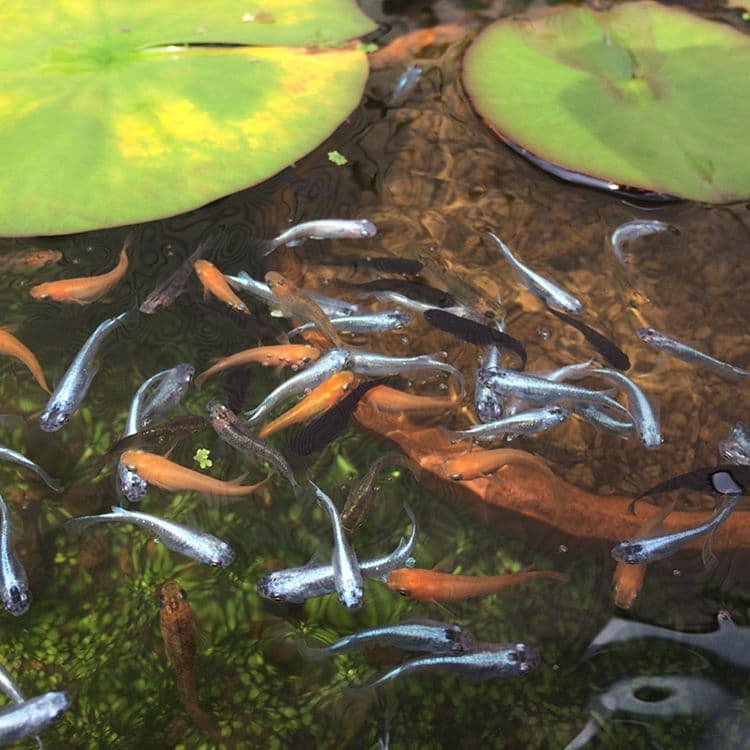
If you're fascinated by the incredible variety of medaka fish, understanding their genetics is key to appreciating how these beautiful traits are passed down through generations. From shimmering metallic scales to unique body shapes, let's explore the genetic principles behind medaka breeding.
The Basics: Mendel's Laws Apply to Medaka
Just like Mendel's famous pea experiments, medaka genetics follow predictable patterns. When breeding medaka, understanding dominant and recessive traits helps predict offspring characteristics.
Key terminology:
- Genotype: The genetic makeup (e.g., BB, Bb, bb)
- Phenotype: The visible appearance
- Homozygous: Two identical alleles (BB or bb)
- Heterozygous: Two different alleles (Bb)
- F1: First generation offspring
- F2: Second generation offspring
Color Genetics: The Foundation of Medaka Variety
Medaka colors are controlled by five types of color cells (chromatophores):
1. Melanophores (Black pigment cells)
- Dominant trait
- Creates dark colors and patterns
- Essential for deep red appearance when combined with red pigments
2. Xanthophores (Yellow pigment cells)
- Produces yellow and orange hues
- Present from early development
3. Erythrophores (Red pigment cells)
- Cannot be produced by the fish itself
- Must be obtained through diet (astaxanthin)
- Creates orange to red coloration
4. Leucophores (White pigment cells)
- Creates white and silvery appearances
- Often seen in combination with other colors
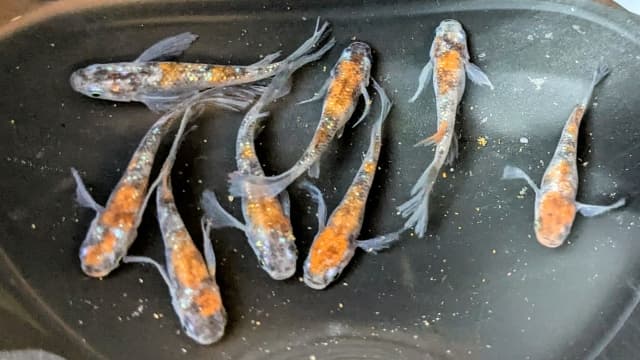
5. Iridophores (Reflective cells)
- No actual pigment - reflects light
- Creates metallic sheen, lame (glitter), and external light
- Responsible for the stunning "Miyuki" trait
Basic Color Inheritance Patterns
The fundamental color genes in medaka follow this dominance hierarchy:
B (Black) > R (Red) > b (White)
Examples:
- BB or Bb = Black/wild-type coloration
- RR or Rr = Red/orange coloration (like Youkihi)
- bb = White coloration
When crossing different colors:
- Black × White → All F1 offspring appear black (Bb)
- F1 × F1 → F2 shows 3:1 ratio (3 black : 1 white)
Body Shape Genetics
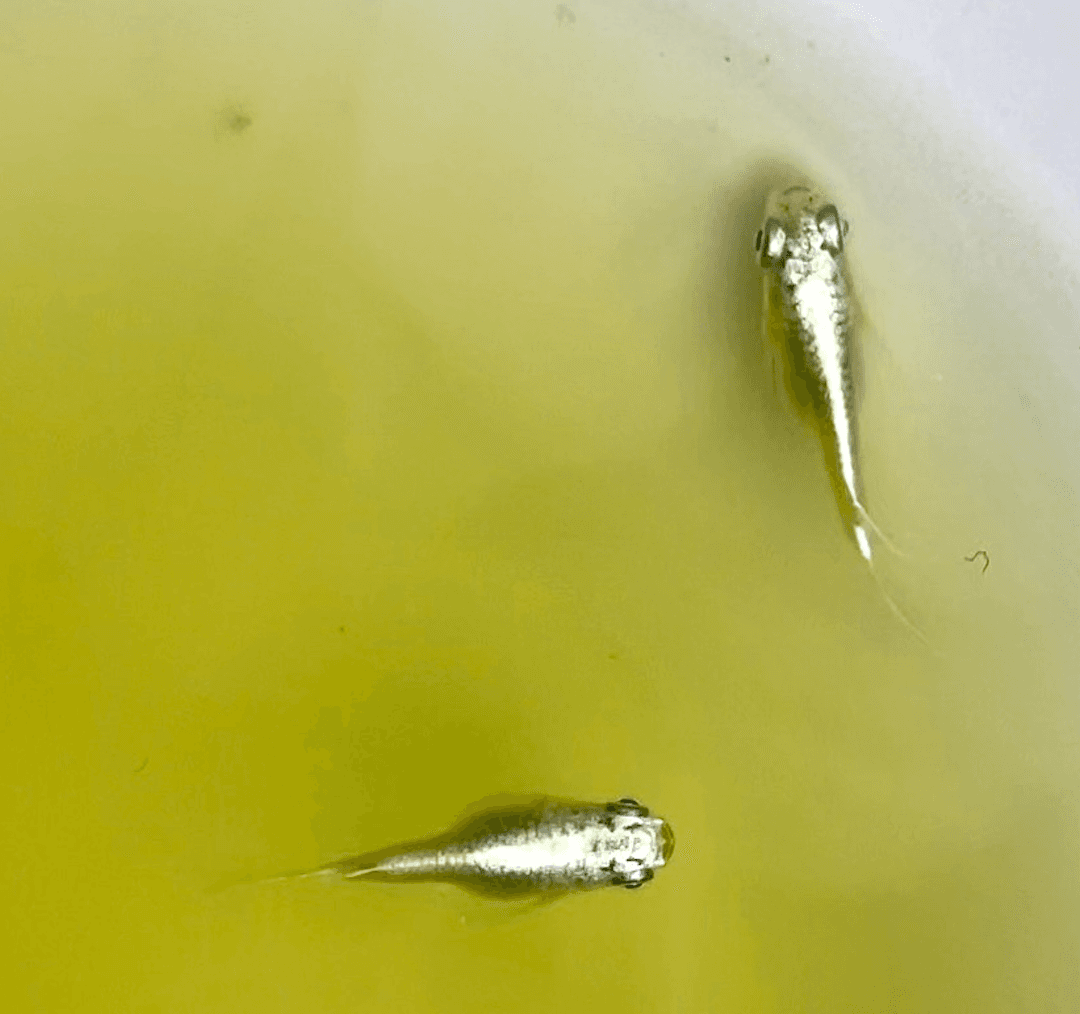
Normal Body Type
The standard elongated body shape is dominant and easiest to maintain.
Hikari Body Type (Light Body)
- Controlled by the Da gene (dominant)
- Diamond-shaped tail fin
- Dorsal fin matches anal fin shape
- Reflective cells migrate from belly to back
- Hikari × Hikari = 99% Hikari offspring
Daruma Body Type (Short Body)
- Controlled by fu gene (recessive)
- Six different types identified (fu1-fu6)
- Body length about half of normal
- Must have matching recessive alleles (fu1/fu1, not fu1/fu2)
- Temperature during development affects expression
- Low fixation rate even when breeding Daruma × Daruma
Metallic and Light Traits
Lame (Glitter Scales)
- Individual scales sparkle with metallic sheen
- Caused by iridophores concentrating in scales
- Does not appear on transparent scales
- Can be selected for coverage (few scales to full body)
External Light (Taitaiko/Miyuki)
- Metallic line running along the back
- Graded from weak → medium → strong → super → full body
- Originated from the famous Miyuki strain
- Can be enhanced through selective breeding
Fin Light (Hire-hikari)
- Brilliant light expression in fins
- Particularly striking in dorsal and anal fins
- Often accompanies external light traits
Pattern and Scale Genetics
Transparent Scales
- Allows internal colors to show through
- Creates unique visual effects
- Recessive trait
Variegated Patterns (Buchi)
- Random color patches
- Complex multi-gene inheritance
- Difficult to fix specific patterns
Black Rim (Buchi)
- Dark edges on scales
- Creates outlined appearance
- Partially dominant trait
Special Traits
Long Fin Variations
- Swallow: Moderately extended fins
- Real Long Fin: Extremely elongated fins
- Different genes control different fin types
- Can combine with other traits
Eye Variations
- Albino: Red eyes, no melanin (recessive)
- Small Eye: Reduced vision (recessive)
- Pop Eye: Protruding eyes
- Medaka: Forward-facing eyes
Special Considerations
- Some traits affect viability (albinos are light-sensitive)
- Multiple genes can interact (epistasis)
- Environmental factors influence expression
Breeding Strategies
Fixing Traits (Increasing Fixation Rate)
- Line Breeding: Breed related individuals with desired traits
- Backcrossing: Cross offspring back to parent with strong trait
- Selection: Choose only the best examples for breeding
Creating New Varieties
- Cross different strains to combine traits
- F1 generation often shows dominant traits only
- F2 generation reveals hidden recessive traits
- Select and stabilize over multiple generations
Important Notes:
- Fixation rate of 30% is considered "breed standard"
- Some traits take many generations to stabilize
- Keep detailed records of crosses
- Patience is essential!
Environmental Factors
Genetics isn't everything! Environment affects trait expression:
Container Color
- Dark containers enhance black pigmentation
- White containers reduce melanophore expression
- Gray containers balance color development
Light Exposure
- Sunlight promotes vitamin synthesis
- Affects color intensity
- 13-14 hours optimal for breeding
Temperature
- Affects Daruma expression
- Influences growth rate
- Can trigger color changes
Nutrition
- Carotenoid-rich foods enhance reds/oranges
- Quality diet improves overall coloration
- Special color-enhancing foods available
Common Breeding Challenges
Low Fixation Rates
- Normal for new varieties
- Improve through selective breeding
- May take years to stabilize
Unexpected Colors
- Hidden recessive genes appearing
- Environmental influences
- Incomplete dominance
Health Issues
- Some trait combinations reduce viability
- Inbreeding depression
- Balance beauty with health
The Art and Science of Medaka Breeding
Creating new medaka varieties combines scientific knowledge with artistic vision. Understanding genetics helps predict outcomes, but the joy lies in the surprises along the way. Whether you're maintaining pure lines or creating new varieties, each generation brings new possibilities.
Remember: The most beautiful medaka isn't always the most genetically "perfect" - it's the one that brings you joy!
Quick Reference: Trait Symbols
- B/b - Black/non-black
- R/r - Red/non-red
- Da - Hikari body type
- fu - Daruma body type
- Lf - Long fin
- T - Transparent scale
Ready to start your medaka breeding journey? Remember that patience, observation, and good record-keeping are your best tools. Happy breeding!