
Docs
The Fascinating Life Cycle of Japanese Medaka Fish: From Tiny Eggs to Vibrant Adults
Published 15 May 2026
Welcome to the wonderful world of medaka keeping! If you're passionate about these charming little fish, understanding their life cycle is essential for successful breeding and appreciation of their beauty. Let's dive into the amazing journey of medaka from egg to adult.
The Beginning: Eggs (0-10 days)
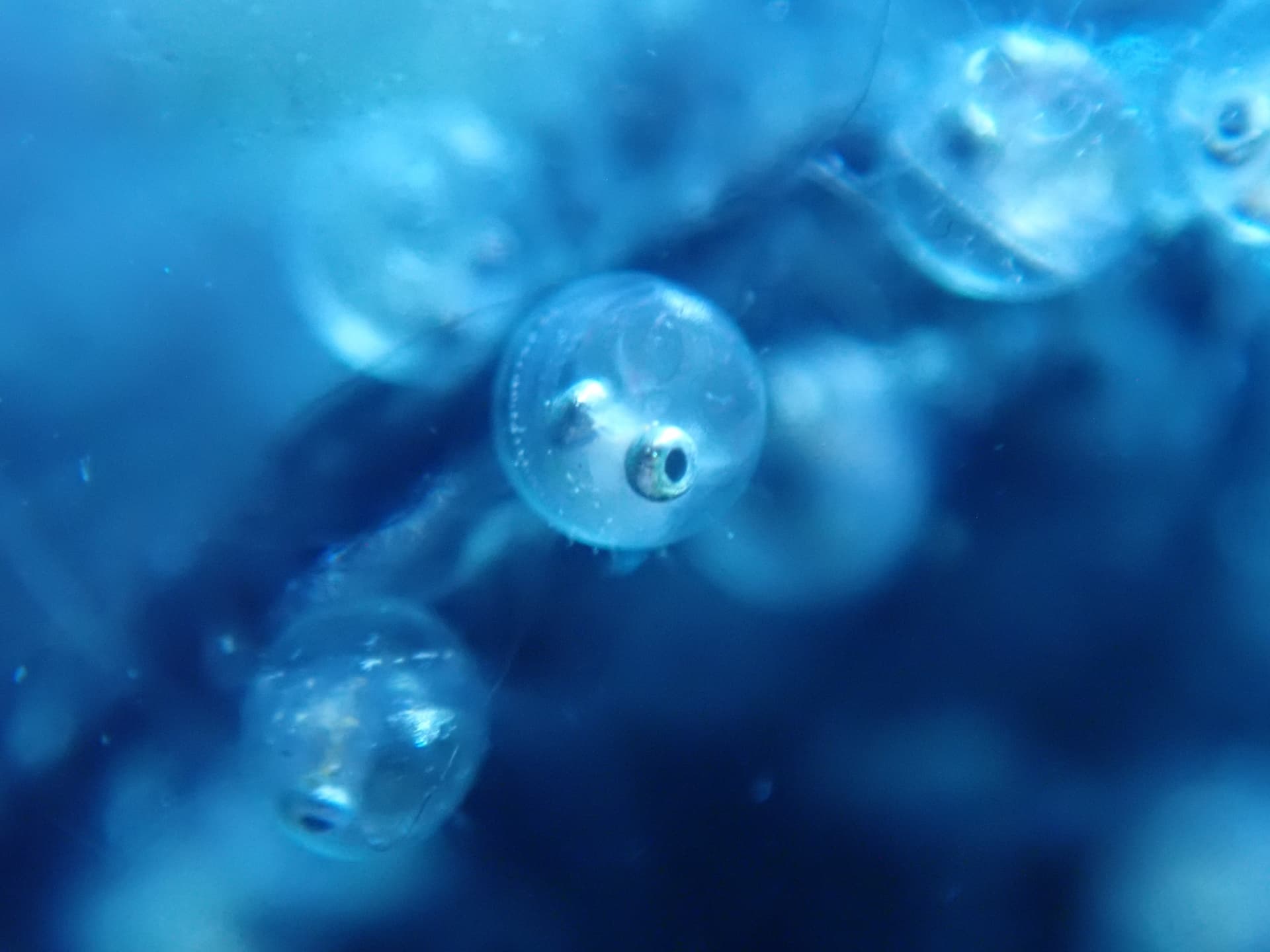
The medaka life cycle begins when females lay their eggs on aquatic plants or spawning mops. These tiny, transparent spheres are about 1-1.5mm in diameter and have a sticky surface that helps them attach to surfaces.
Key facts about medaka eggs:
- Incubation period: approximately 10 days at 25°C (77°F)
- The "cumulative temperature rule": eggs hatch when the sum of daily temperatures reaches 250°C
- Fertilized eggs appear yellowish (indicating healthy vitamin B content from well-lit parents)
- Unfertilized eggs turn white and should be removed to prevent fungal growth
Pro tip: Keep eggs in a separate container to protect them from being eaten by adult fish!
Stage 1: Hariko (Needle Fry) - Days 0-14
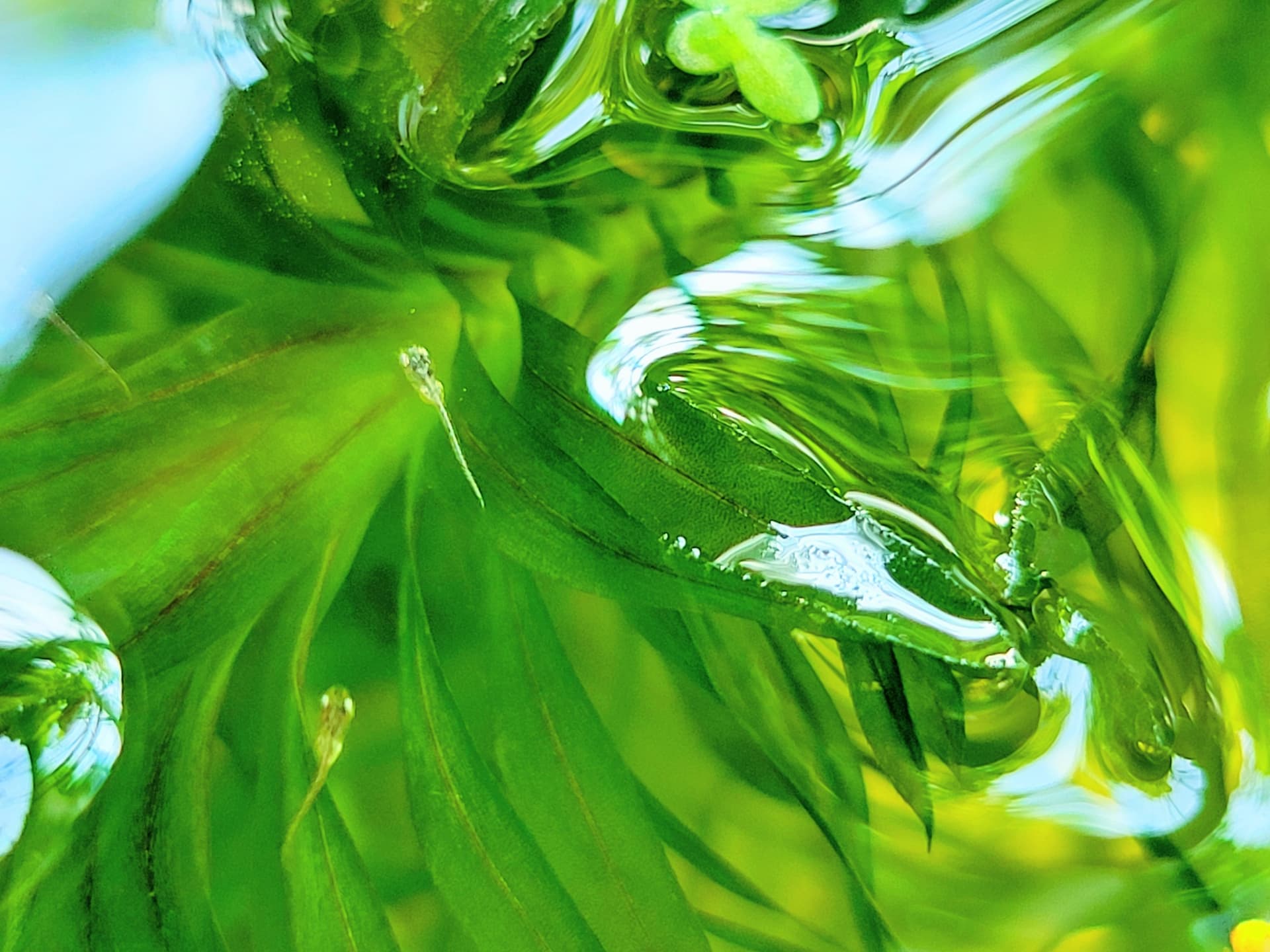
When medaka first hatch, they're incredibly tiny—just 4-5mm long! In Japanese, they're called "hariko" (針子), which literally means "needle child" because they're as thin as needles.
Characteristics of hariko:
- Nearly transparent body with no scales
- Large yolk sac attached to their belly for the first 2-3 days
- No need for feeding during the yolk sac stage
- Begin eating after day 3 when the yolk sac is absorbed
- Extremely vulnerable to starvation—this is the most critical period!
Feeding hariko:
- Use powdered food specifically designed for fry
- Green water (water rich in phytoplankton) is ideal
- Feed small amounts 4-5 times daily
- Popular foods include infusoria, powdered flakes, or commercial fry food
Stage 2: Chigyo (Juvenile) - Weeks 2-4
As hariko grow beyond 1cm (about 0.4 inches), they enter the juvenile stage called "chigyo" (稚魚). This is when things get exciting!
What happens during this stage:
- Fins begin to develop and become more defined
- Swimming ability improves dramatically
- First signs of coloration appear!
- Scales begin to form
- Body shape starts resembling adult medaka
Color development timeline:
- Week 2-3: Basic pigment cells (chromatophores) begin to distribute
- Week 3-4: Scales start forming, allowing colors to show more clearly
- Individual variation becomes noticeable—some develop faster than others!
Stage 3: Yougyo (Young Fish) - Months 1-2
When medaka reach about 2cm (0.8 inches), they're considered young fish. This is when breed-specific characteristics really start to shine!
Exciting developments:
- Full coloration emerges! Red varieties show orange/red hues, white varieties brighten up
- Metallic scales (if present in the breed) begin to shimmer
- Gender differences become apparent
- Strong enough to handle gentle water current
- Can eat adult food (crushed into smaller pieces)
Important note: The exact timing of color development varies by breed. Some varieties like "Miyuki" (white medaka with metallic sheen) may take longer to show their full glory!
Stage 4: Seigyo (Adult) - 2-3 Months and Beyond
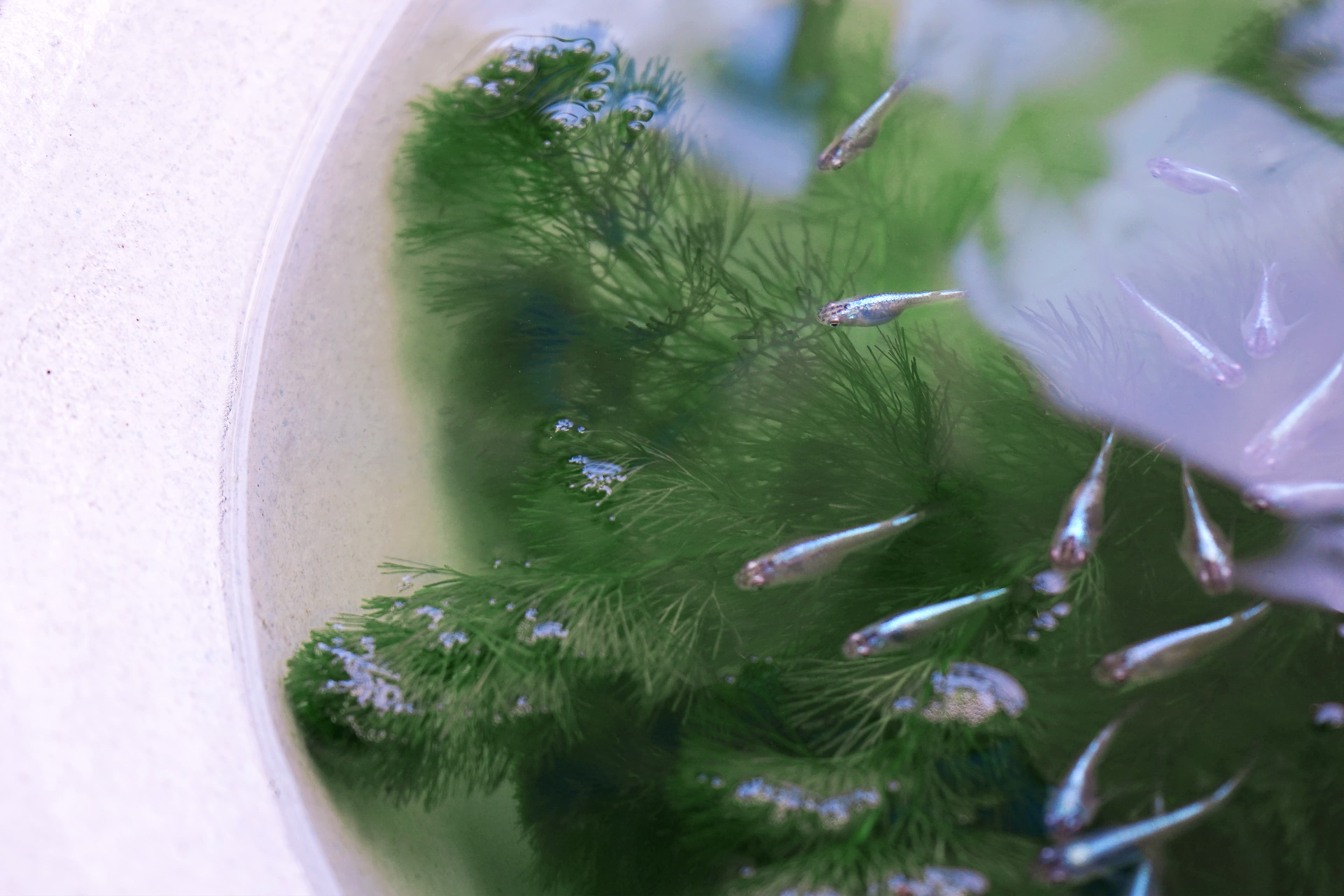
At 2.5cm (1 inch) or larger, medaka are considered adults. They've made it!
Adult medaka characteristics:
- Full vibrant coloration
- Ready to breed (females can start laying eggs as early as 2 months old)
- Males display beautiful courtship behaviors
- Lifespan: typically 1-2 years in captivity, sometimes longer with excellent care
Factors Affecting Color Development
Understanding why and when colors appear is fascinating:
- Container color matters! Dark containers enhance color development, while white containers can cause colors to fade
- Sunlight exposure promotes vitamin synthesis and better coloration
- Quality nutrition - foods containing carotenoids enhance red/orange colors
- Genetics - some color traits are dominant (black) while others are recessive (red)
- Water quality - clean, stable conditions promote vibrant colors
Growth Tips for Vibrant Medaka
Want to raise healthy, colorful medaka? Here are proven strategies:
For fastest growth:
- Use larger containers (minimum 10 liters for fry)
- Practice "saturation feeding" - small amounts multiple times daily
- Maintain stable temperatures (25-28°C is ideal)
- Provide 13-14 hours of light daily
For best coloration:
- Use dark gray or black containers
- Ensure adequate sunlight or LED lighting
- Feed high-quality foods with color-enhancing ingredients
- Keep stress levels low with gentle water changes
Common Milestones Timeline
- Day 0: Hatching (4-5mm)
- Day 3: Begin feeding
- Week 2: 7-10mm, basic swimming established
- Week 4: 10-15mm, colors beginning to show
- Month 2: 20-25mm, breeding possible
- Month 3: Full adult size and coloration
Survival Rates and Realistic Expectations
Not all fry will make it to adulthood—this is natural! With good care:
- Hariko stage: 50-70% survival rate
- Juvenile stage: 80-90% survival rate
- Young fish to adult: 95%+ survival rate
The key is getting through those critical first two weeks!
Final Thoughts
Watching medaka grow from tiny, transparent fry to colorful adults is one of the most rewarding aspects of this hobby. Each stage brings new challenges and delights. Remember, patience is key—those beautiful colors and patterns you're hoping for will develop in time!
Whether you're breeding rare varieties or keeping medaka for their simple beauty, understanding their life cycle helps you provide the best care at each stage. Happy medaka keeping!